Kasra Afzali
Data Scientist
Software Developer
Physician Scientist

About Me
EDUCATION
2024 – 2025
University of Michigan
MS
Data Science
2018 – 2022
University of California Irvine
MD
Doctor of Medicine
2014 – 2017
University of California Davis
BS
Neurobiology
Technology Management (minor)
EXPERIENCE
2020-2022
UC Irvine, Department of Radiology
Research Internship
- Developed CNN models for medical image segmentation enabling automated organ volume calculations, outperforming baseline models detection accuracy from 65% to 99% with 91% specificity.
- Assisted in data preparation and model evaluation for CNN pipeline processing 10,000+ clinical scans.
- Aligned clinical goals and technical implementation by translating medical needs into ML specifications.
2018-2020
UC Irvine, Department of Ophthalmoogy
Research Internship
- Led peer-reviewed study analyzing 20+ years of faculty promotion trends in academic ophthalmology, examining gender and racial disparities in career advancement.
- Developed data pipeline, data cleaning, and feature engineering of public records across 50+ institutions.
- Developed multivariate regression and longitudinal time-series models to quantify demographic impacts on academic advancement rates.
Projects & Publications
-
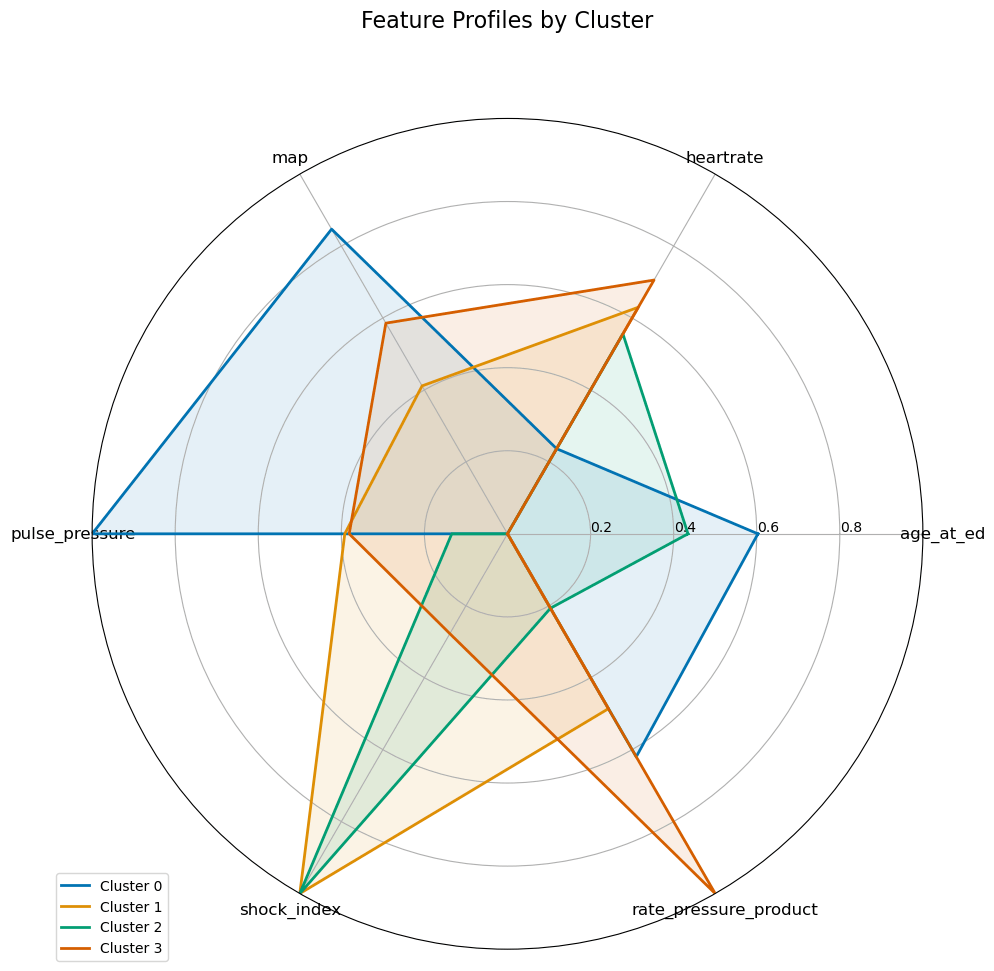
This study introduces a predictive framework for emergency department operations by integrating advanced machine learning methodologies. Utilizing logistic regression, the model forecasts patient admission dispositions from routine clinical data to improve resource allocation and patient flow. Additionally, the framework employs dimensionality reduction and clustering techniques—UMAP, Gaussian Mixture Models, and PCA—to reveal latent patient subgroups, offering…
-
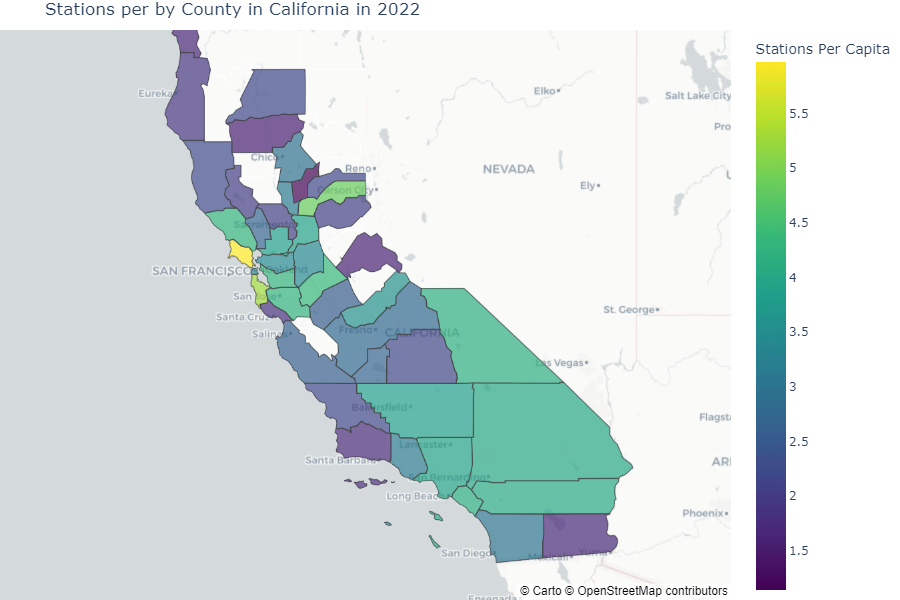
An Exploration of Voting Drivers Behind California Prop. 29 —Dialysis Clinic Requirements Initiative
This project explores trends in dialysis clinic access, quality of care, and ballot results in the state of California in recent years using data from the Center for Medicare and Medicaid Services (CMS), California Health and Human Services (CHHS), and California Secretary of State (SOS). Access full article here
-
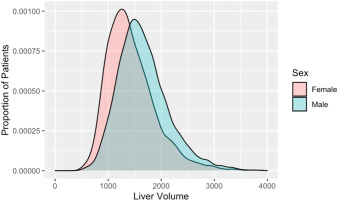
This study developed convolutional neural networks to automatically segment the liver and spleen from CT scans, achieving near-perfect agreement with manual measurements. The models produced highly accurate volumetric estimates, revealing significant differences in organ sizes between males and females, which required sex-specific thresholds for defining enlargement. Compared to traditional radiologist assessments, which had moderate sensitivity…
-
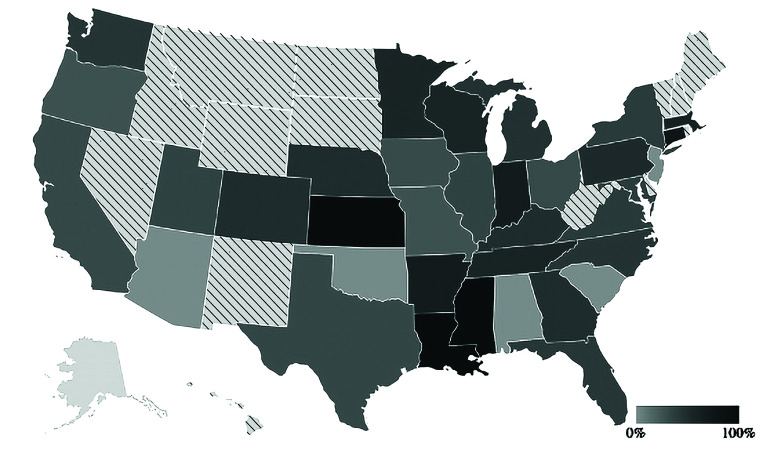
This study investigates demographic trends within academic medicine by examining changes in gender and underrepresented minority (URM) representation among glaucoma specialists. Recognizing that greater racial and gender diversity can improve patient satisfaction and healthcare outcomes, the study contextualizes current disparities in the physician workforce—particularly in ophthalmology, where URM and female representation remain disproportionately low. By…

